Volkswagen Golf Transmission Fault
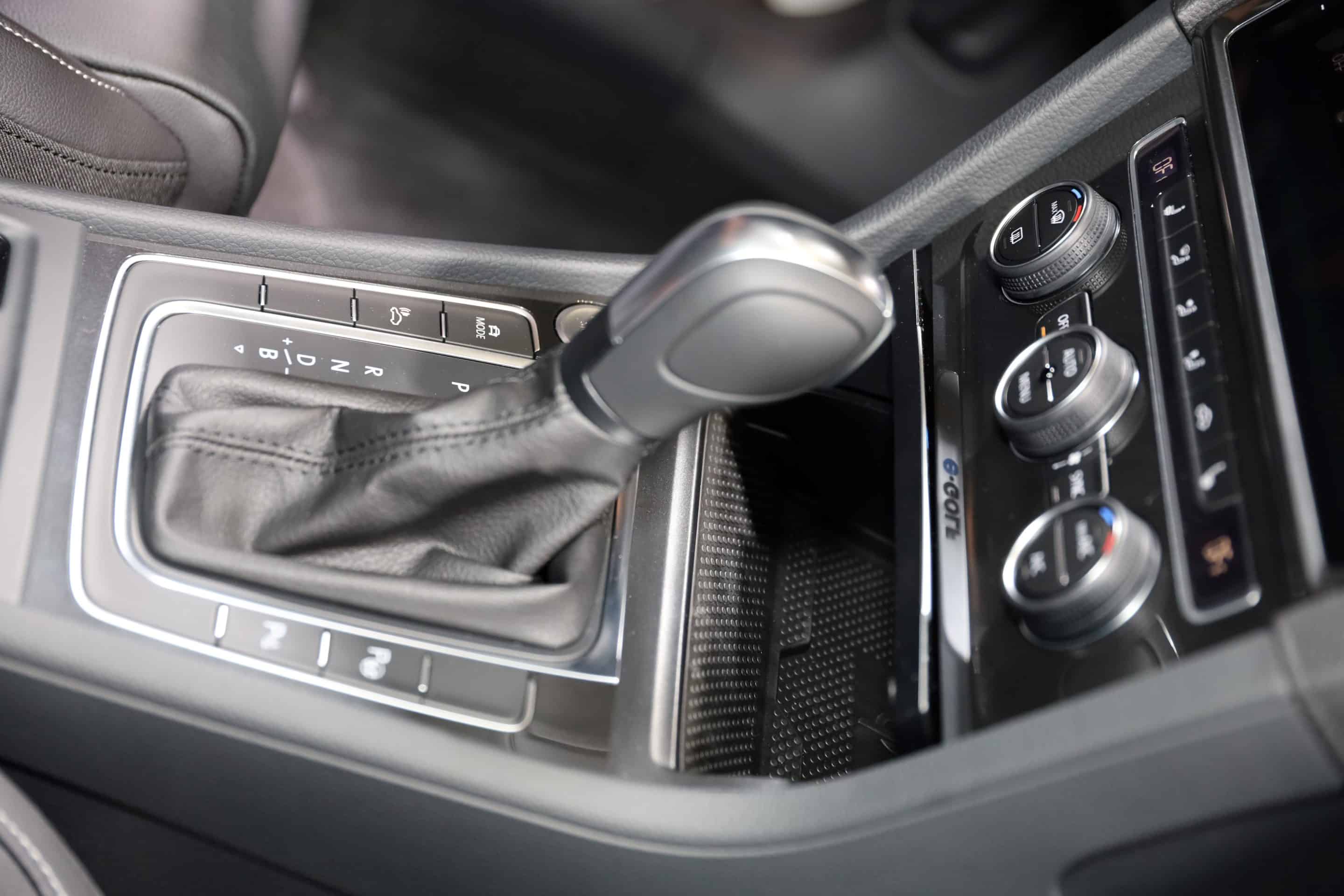
What would you do if your automatic gearbox stopped changing gear the way it should?
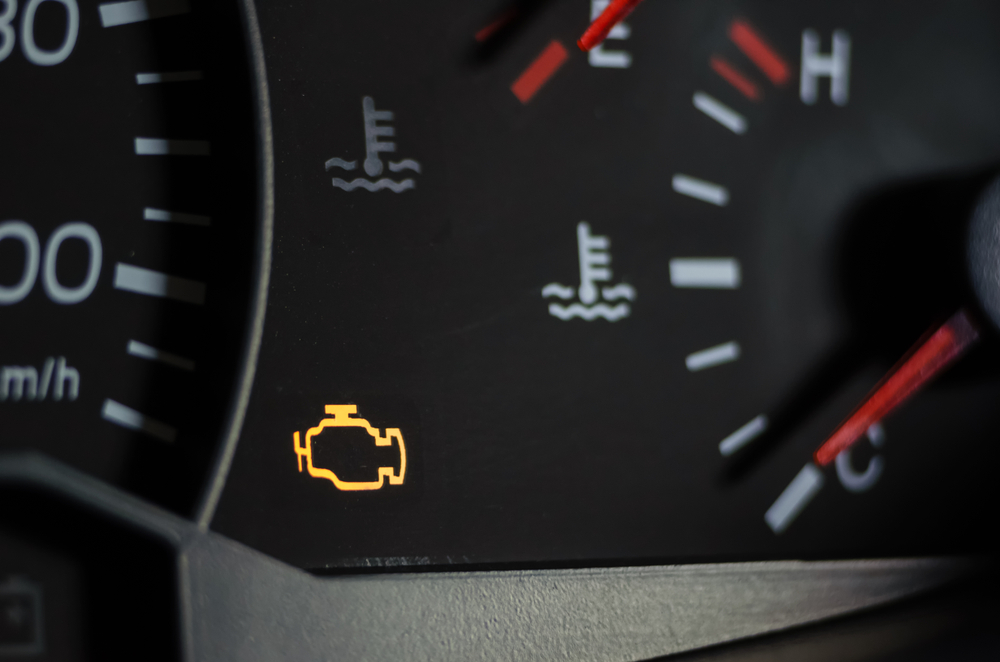
That was exactly what Mr P was dealing with. His 2020 Volkswagen Golf had started shifting unpredictably, missing gears during normal driving, and a transmission fault warning had appeared on the dashboard.
Nothing had led up to it. The change came out of nowhere, and Mr P had no clear understanding of what was behind it. Was it safe to continue using the car? Would the problem get progressively worse? And what was actually causing the fault?
Mr P got in touch with CSN Autos, Wymondham, looking for a reliable answer. The symptoms strongly suggested a Volkswagen Golf transmission fault that needed to be accurately identified and properly addressed.
He needed technicians with the right knowledge and a structured diagnostic process to find the cause and carry out the appropriate repair.
With that, Mr P booked the Golf in with CSN Autos for a full technical evaluation.
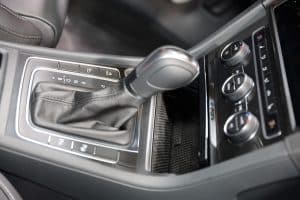
How Was the Volkswagen Golf Transmission Fault First Assessed?
On arrival at CSN Autos, Wymondham, the first step was to talk with Mr P and understand the full picture of what he had been experiencing. We asked him when the gear changes had first become erratic, how regularly the fault was occurring, and whether it was influenced by driving conditions such as vehicle speed, outside temperature, or journey length.
Establishing a clear account of the symptoms before beginning any testing gives our technicians a solid foundation to work from and reduces the risk of overlooking important details.
Next, our technicians conducted a road test to witness the reported behaviour for themselves. During the drive, the vehicle was linked to manufacturer-level diagnostic equipment, streaming serial data from the transmission control module in real time. This enabled our technicians to monitor system responses live as the fault manifested.
Alongside the road test, a full system scan was carried out. This returned a stored fault code with a direct connection to the Volkswagen Golf transmission fault:
- P1736 00 — Position sensor for clutch 2, electrical malfunction. Active.
The code indicated that the transmission control module had registered an electrical malfunction relating to one of the internal sensors that tracks clutch operation. Yet a thorough transmission warning light diagnosis isn’t just about reading the code. It requires understanding what sits beneath it.
To uncover what was behind the P1736 fault code Volkswagen had stored, and to ensure the correct path forward was taken, deeper investigation was essential.
What Was Causing the Volkswagen P1736 Fault Code?
The diagnostic scan had identified fault code P1736, highlighting an electrical malfunction involving the position sensor for clutch 2. To carry out the correct repair for this Volkswagen Golf transmission fault, though, our technicians needed to determine exactly what had failed and understand the underlying reason. Each area was worked through systematically to reach a firm, evidence-based conclusion.
Step 1: Consulting manufacturer technical data
Our technicians consulted Volkswagen’s technical information service to examine the theory of operation for the transmission fitted to Mr P’s Golf.
Mr P’s 2020 Golf was equipped with a seven-speed Direct Shift Gearbox (DSG), a dual-clutch transmission that is a common feature across the Golf range. It uses two separate clutches: clutch 1 handles odd gears (1, 3, 5, 7) and clutch 2 handles even gears (2, 4, 6, and reverse). The entire process of gear selection and clutch engagement is controlled by a mechatronic unit, which combines the transmission control unit (TCU) and a hydraulic valve body.
A key point is that clutch position in this transmission is not measured by a standalone external sensor. Instead, internal pressure sensors located within the mechatronic unit deliver the feedback used for clutch control, with the system calculating clutch position from those pressure readings. When fault code P1736 references “position sensor for clutch 2,” it relates to this integrated pressure sensor within the mechatronic unit.
Understanding this was important, because it directed our technicians toward a fault that was likely internal to the mechatronic unit, rather than involving a separate external component.
Step 2: Checking for technical service bulletins
Our technicians looked for any technical service bulletins (TSBs) connected to the specific diagnostic trouble code (DTC) and the symptoms Mr P had reported.
- A bulletin was located that matched both the exact fault code and the described behaviour
- It classified this as a known issue affecting DQ381 transmissions, attributed to a fault with the integrated pressure sensors within the mechatronic unit
- The bulletin detailed how, as these sensors wear or drift outside their calibrated range, the TCU receives faulty pressure data and starts to miscalculate clutch position, producing erratic shifting and missed gear engagement
The TSB pointed clearly in the direction of what the P1736 fault code Volkswagen had flagged, but hands-on testing was still needed to confirm the fault before the repair could proceed.
Step 3: Serial data analysis at rest
With the vehicle stationary, the engine off, and the ignition on, our technicians recorded the actual pressure values for both clutches using manufacturer-level diagnostic equipment.
- In a properly functioning system, both readings should rest as close to 0.00 bar as possible under these conditions
- The reading for clutch 2 revealed a clear deviation from the expected value, in line with a pressure sensor that had drifted beyond its operating range
- The reading for clutch 1 remained within the expected range, confirming that the issue was limited to the clutch 2 side of the system
This was fully consistent with the Volkswagen P1736 fault code and the symptoms Mr P had experienced, where it was the even-numbered gears that were being skipped.
Step 4: Visual inspection
Our technicians checked the external condition of the mechatronic unit, wiring harness, and connectors for any evidence of damage, corrosion, or poor connections.
- No external issues were discovered, ruling out any fault originating outside the mechatronic unit itself
The conclusion
With the Volkswagen P1736 fault code now fully accounted for, the integrated pressure sensor for clutch 2, situated on the TCU circuit board inside the mechatronic unit, had moved outside its operating specification. It could no longer provide an accurate reading of hydraulic pressure for the clutch 2 sub-transmission, which caused the system to miscalculate clutch position and led to incorrect engagement of the even-numbered gears.
Since this sensor is an integral part of the internal mechatronic assembly, it is not available as a separate serviceable part. The mechatronic unit needed to be replaced.
Resolving the Fault with Mechatronic Unit Replacement
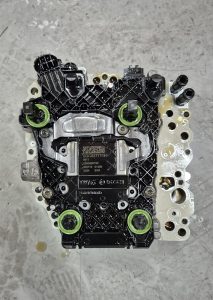
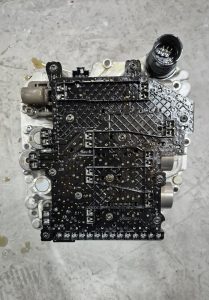
With the underlying cause verified through testing, our technicians got in touch with Mr P to present the findings and explain the repair that would be needed. Once approval was given, the work could get underway.
Mechatronic unit replacement
- The transmission oil was drained and the mechatronic unit was reached by removing the transmission oil pan and associated components
- The faulty mechatronic unit was carefully disconnected and taken out of the vehicle
- A new mechatronic unit was fitted in its place, with all electrical connections, mounting points, and seals verified to ensure accurate installation
- Transmission oil was replenished to the correct Volkswagen specification, following manufacturer procedure
Calibration and adaptation
- A calibration and adaptation procedure was performed using manufacturer-level diagnostic software, an essential step whenever the mechatronic unit is replaced. This allows the new TCU to learn and adapt to the existing tolerances of the transmission and clutch mechanics
- Stored fault codes were cleared
Post-repair road test
- The vehicle was taken on a structured road test, allowing the transmission to carry out its clutch adaptation under real driving conditions
- Our technicians monitored the vehicle throughout to ensure gear changes were smooth, no gears were being skipped, and no new fault codes appeared
Restored Performance Following the Volkswagen Golf Transmission Fault Repair
Following the Volkswagen gearbox mechatronic repair, the Volkswagen Golf transmission fault was fully resolved. The vehicle was changing gear smoothly, and no warning messages were present on the dashboard.
By choosing CSN Autos, Mr P gained the benefit of a thorough, evidence-led technical evaluation that uncovered and resolved the root cause in a single visit. The automatic transmission fault repair was performed to manufacturer standards. With access to the same manufacturer technical data and equipment available at a main dealership, CSN Autos was able to complete a first-time fix at a more cost-effective price. A complimentary courtesy car was also provided for the duration of the repair, minimising any disruption while the work was completed.
Mr P left CSN Autos a happy customer, driving with confidence again.
Volkswagen Transmission Problems? Speak to the Experts at CSN Autos
If your Volkswagen is skipping gears, shifting unpredictably, or showing a transmission fault warning on the dashboard, it’s important to have it looked at without delay. Continuing to drive with a transmission fault can increase the strain on internal components and lead to more extensive wear.
By choosing CSN Autos in Wymondham, you benefit from:
- Technicians experienced in diagnosing complex Volkswagen transmission faults
- Access to manufacturer-level technical data, service bulletins, and dealer-level equipment
- A structured, evidence-led technical evaluation process
- More cost-effective repairs than a main dealer
- A complimentary courtesy car to keep you mobile while the work is carried out
- A 12-month parts and labour guarantee for added peace of mind
We’re proud of our {{average-rating}} star Google rating from {{review-count}} reviews, built on accurate diagnosis and reliable repairs.
If your Volkswagen needs attention, call 01953 425983 and speak to our team.