B1DC5 Fault Code Fix
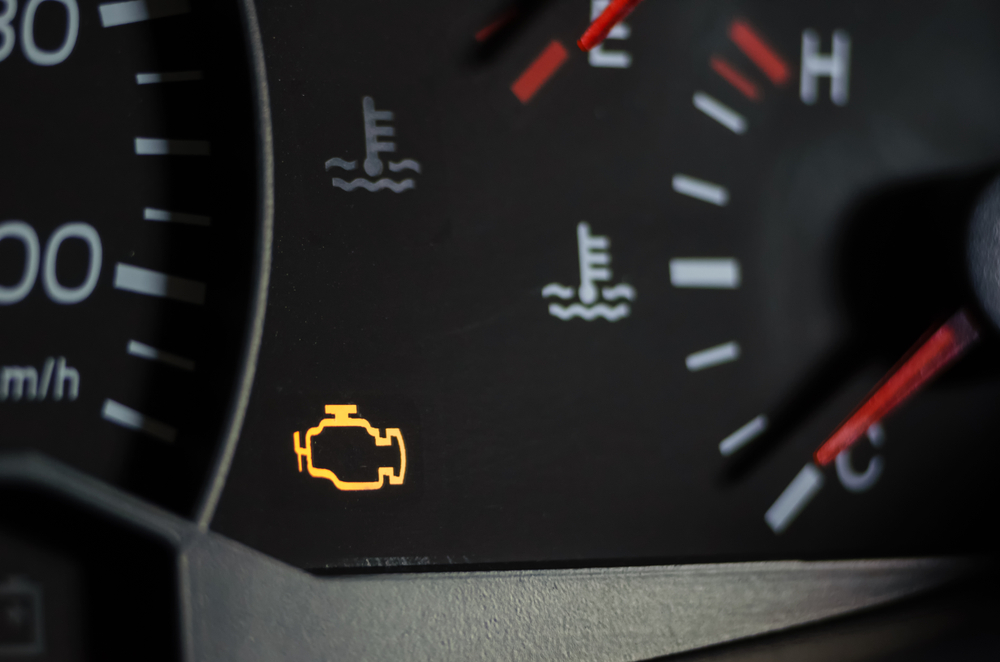
The dashboard message was clear enough: “EV mode temporarily unavailable.”
Mr S questioned whether it was urgent at first. But then the petrol engine carried on running constantly. No electric driving. No option to switch over. Just fuel being used on every journey, regardless of distance.
For a plug-in hybrid, that removed one of its main advantages.
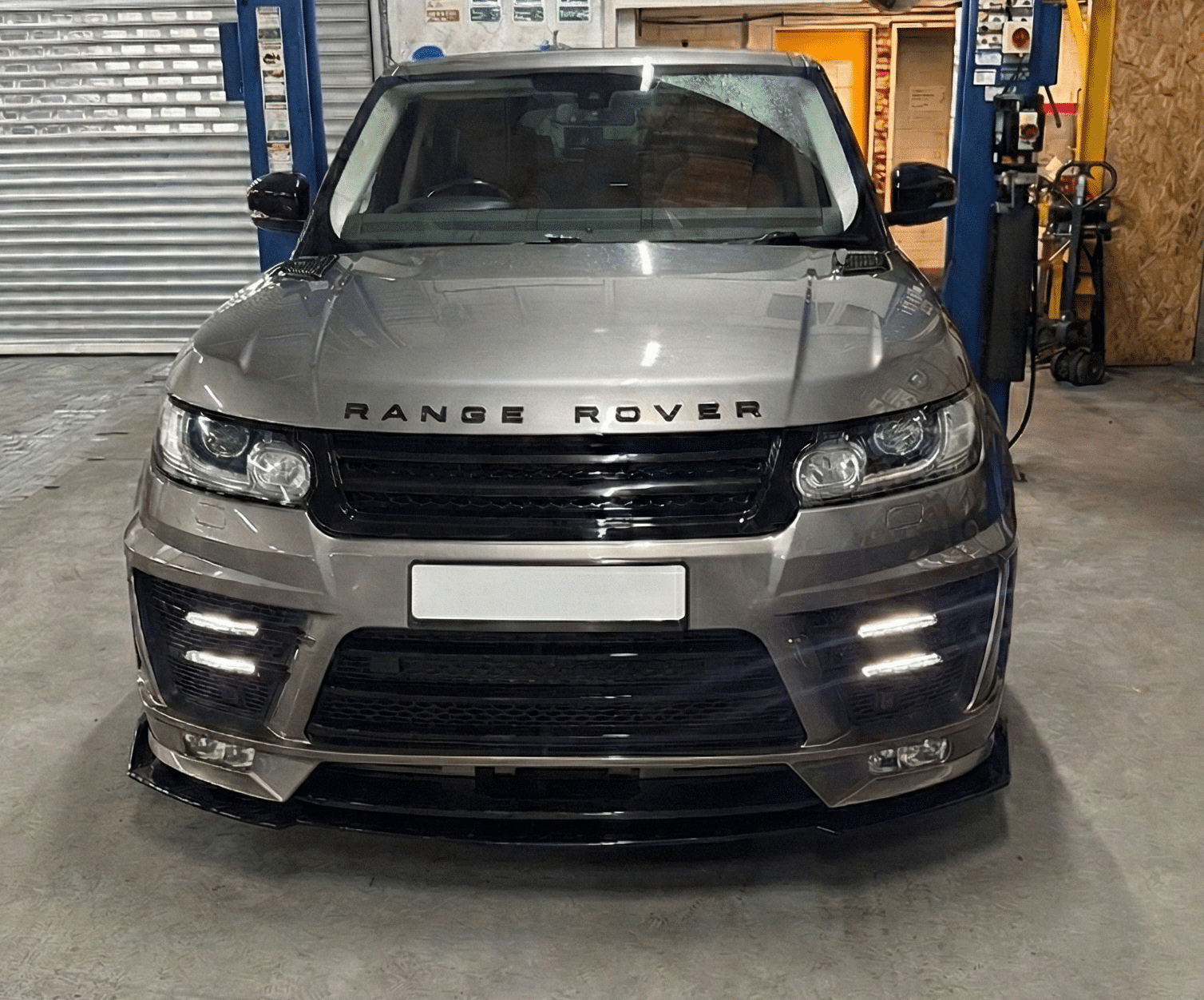
This was the situation Mr S found himself in with his 2020 Range Rover Evoque PHEV. EV mode had dropped out, and no obvious explanation presented itself.
He contacted CSN Autos in Wymondham to arrange a thorough investigation.
The vehicle was brought in without delay.
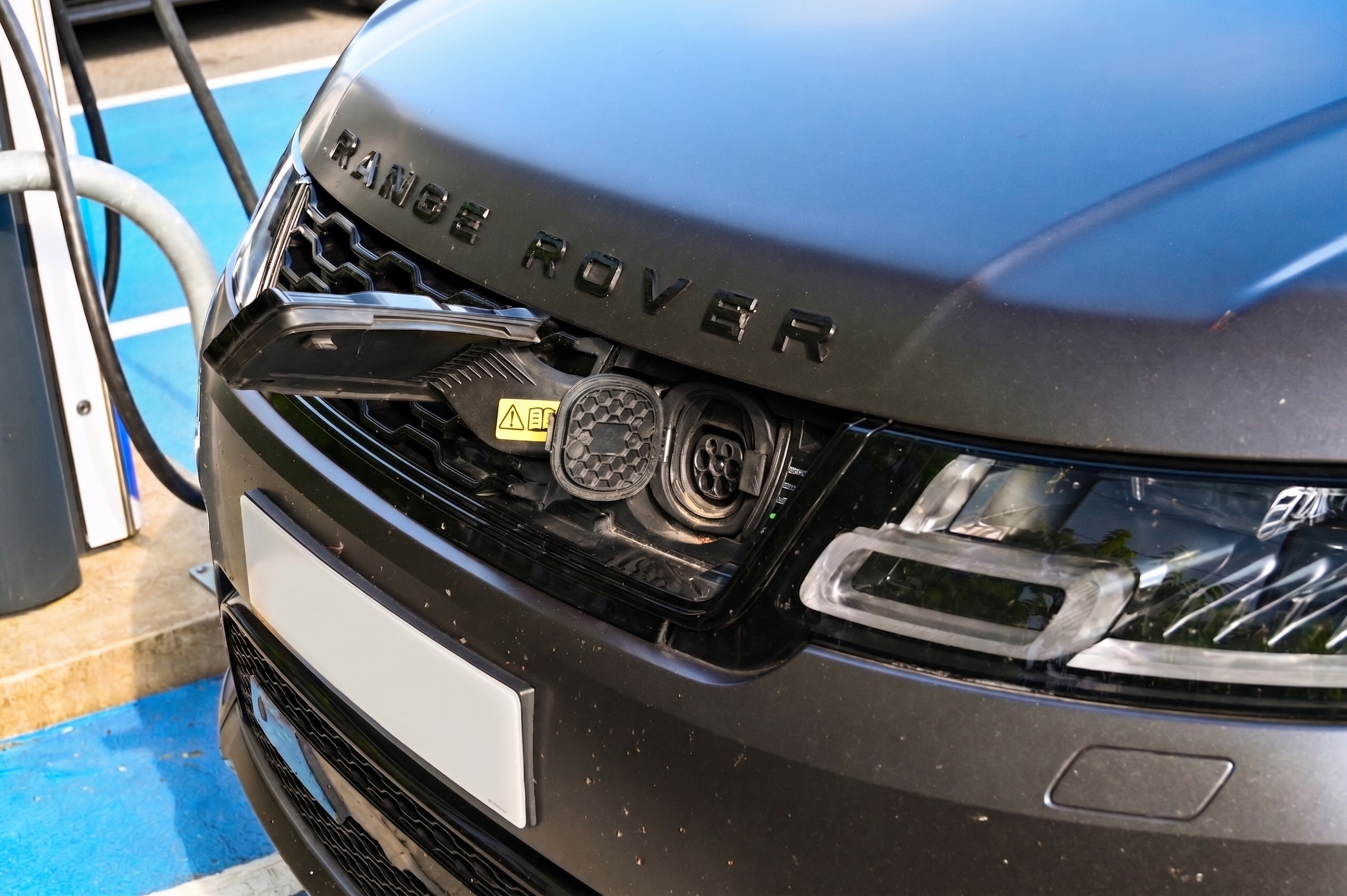
The fault prevented the Range Rover Evoque PHEV from operating in EV mode, forcing the petrol engine to remain running
When EV mode stops working on a Range Rover PHEV, the cause could be one of several things. A Range Rover EV mode fault like this requires thorough investigation to pinpoint the right answer. If you’re noticing this on your vehicle, get in touch with CSN Autos in Wymondham, and our technicians can help track down the fault.
What Did the Initial Assessment of the Range Rover EV Mode Fault Reveal?
When Mr S’s Range Rover Evoque PHEV arrived at CSN Autos, Wymondham, our technicians began by speaking with Mr S to understand the full picture of how the fault had been presenting. The vehicle was unable to enter EV mode, the petrol engine ran continuously from start-up, and the dashboard kept showing the “EV mode temporarily unavailable” message.
Once the symptoms were confirmed, our technicians connected dealer-level diagnostic equipment and completed a full system scan. One stored fault code was recorded:
- B1DC5 High-voltage Coolant Heater #1, no operation.
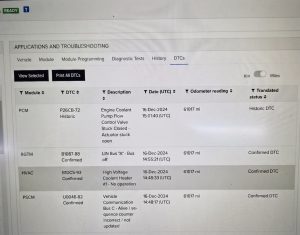
The initial diagnostic scan identified B1DC5-93, indicating no operation from the high-voltage coolant heater
Serial data was also reviewed by our technicians to check the operating condition of the vehicle’s systems alongside the stored fault code.
The fault code pointed towards the high-voltage coolant heater, but at this stage it wasn’t clear whether the heater itself was the cause, whether a wiring or connection issue was responsible, or whether another part of the circuit was at fault. Thorough PHEV hybrid system diagnostics were needed to get to the root cause.
What Was Behind the B1DC5 Fault Code on the Range Rover Evoque PHEV?
With a direction established from the initial scan, our technicians began working through the fault step by step. To carry out the correct B1DC5 fault code fix, each possible cause needed to be tested until the root cause was identified.
Step 1: Consulting manufacturer technical information
Our technicians used the manufacturer’s technical information service to research the B1DC5 fault code in the context of the Range Rover Evoque PHEV.
On a plug-in hybrid, the high-voltage coolant heater plays a central role in the thermal management system. It draws energy from the high-voltage battery to heat coolant, providing cabin heating without requiring the petrol engine to run. When this component fails, the vehicle can no longer heat the cabin electrically. As a result, the system may run the petrol engine to provide cabin heat, and EV mode becomes unavailable.
This was important to understand because it shows how a single heater fault can prevent the vehicle from operating in electric mode. It also directed our technicians to focus their investigation on the high-voltage coolant heater and its associated circuit.
Step 2: Checking for technical service bulletins
Our technicians also searched the manufacturer’s database for any technical service bulletins or known faults linked to the B1DC5 code on this model.
Manufacturer records highlighted known instances of high-voltage coolant heater failure on the Evoque PHEV. This didn’t replace the need for physical testing, but it offered helpful context and supported the direction the investigation was taking.
Step 3: Visual inspection and electrical checks
Our technicians visually inspected the area surrounding the high-voltage coolant heater, checking for evidence of damage, corrosion, or disturbance. Electrical checks on the associated wiring and connectors were carried out at the same time.
- No external faults were found. The wiring and connectors were intact, showing no signs of damage or contamination.
Step 4: Active testing of the high-voltage coolant heater
With dealer-level diagnostic equipment, our technicians carried out active testing to activate the high-voltage coolant heater directly and check whether it responded.
This step required HV-trained technicians with insulated tooling and safety equipment, since the high-voltage coolant heater forms part of the vehicle’s high-voltage electrical system.
- The high-voltage coolant heater did not respond as expected. The testing confirmed that the unit had failed.
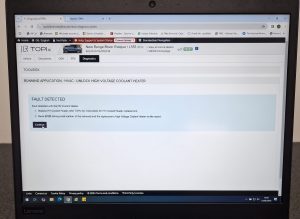
Manufacturer diagnostic testing confirmed a fault with the high-voltage coolant heater and directed replacement of the unit
Step 5: Circuit verification and wiring checks
To verify that the failure was within the heater unit and not elsewhere in the circuit, our technicians completed further circuit verification and wiring checks between the control module and the high-voltage coolant heater.
- The circuit tested within expected parameters, showing that the wiring and connections were in good order.
The conclusion
With the fault code stored, the component’s role understood, and external factors ruled out through inspection and electrical testing, our technicians confirmed the high-voltage coolant heater was non-responsive during active testing and identified it as the root cause. High-voltage coolant heater failure is a known issue on this model, and testing confirmed that Mr S’s vehicle was affected. Because the heater had failed, the vehicle couldn’t heat the cabin electrically, which meant the system depended on the petrol engine for heat. This kept the engine running continuously and prevented EV mode from working. That was the source of the Range Rover EV mode fault Mr S had been dealing with.
With the root cause established, the high-voltage coolant heater needed to be replaced as part of the B1DC5 fault code fix.
Carrying Out the High-Voltage Coolant Heater Replacement to Complete the B1DC5 Fault Code Fix
With the root cause behind the B1DC5 fault code confirmed, our technicians got in touch with Mr S to go through the findings. We explained the testing that had been completed, why wiring and connection faults had been excluded, and why the high-voltage coolant heater needed replacing. Once Mr S gave the go-ahead, the repair was carried out.
High-voltage safety procedures
- Before any work began on the heater, the vehicle’s high-voltage system was isolated and made safe in line with manufacturer procedures. All work was completed by an HV-trained technician with insulated tooling and dedicated safety equipment.
Component replacement
- The failed high-voltage coolant heater was carefully disconnected and removed from the vehicle’s coolant circuit.
- A new replacement unit was installed, with all electrical connections, mounting points, and seals inspected to confirm correct installation.
- The coolant circuit was refilled and checked for correct operation.
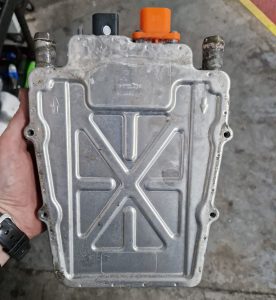
The failed high-voltage coolant heater removed from the Range Rover Evoque PHEV before the replacement unit was fitted
Post-repair verification
- All relevant fault codes were cleared from the control module.
- Post-repair checks were performed using dealer-level diagnostic software to confirm the heater was working correctly.
- The vehicle was run and monitored to check that EV mode was available and that the petrol engine was no longer running continuously.
- A complete system scan after the repair showed no fault codes had returned.
How the B1DC5 Fault Code Fix Restored Mr S’s Range Rover to Full Hybrid Operation
Once the replacement was finished, Mr S’s Range Rover Evoque PHEV left CSN Autos with EV mode fully accessible once more. The petrol engine was no longer running when it shouldn’t have been, the “EV mode temporarily unavailable” message had gone, and the vehicle was back to working as a plug-in hybrid should.
The result left Mr S pleased: a fault that had removed his ability to drive on electric had been thoroughly investigated, correctly traced to a failed high-voltage coolant heater, and put right in a single visit. He was kept up to date at every stage, with straightforward communication giving him confidence in the work being done.
CSN Autos gave Mr S a competitive repair cost, a shorter turnaround time, and the peace of mind that the repair was handled by HV-trained technicians using the specialist equipment and safety procedures that hybrid vehicle work demands.
Range Rover EV Mode Fault? Trust the Experts at CSN Autos
When EV mode drops out on a plug-in hybrid, it changes how the vehicle works day to day. Your fuel costs increase, your electric range is gone, and the vehicle stops functioning the way it was intended to. A professional hybrid car EV repair can put things right.
If your Range Rover PHEV won’t enter EV mode, or you’ve noticed the petrol engine running constantly, having the system properly assessed is the right next step. At CSN Autos in Wymondham, our technicians have the skills and experience to carry out a Range Rover EV repair with the care and accuracy it needs. We’ll complete a thorough technical evaluation, talk you through what we find, and provide a clear recommendation before any work goes ahead.
If you’d like to discuss the issue or book your Range Rover in, call us on 01953 425983. We’re happy to help.
Why Choose CSN Autos?
- Dealer-Level Equipment: We use manufacturer diagnostic software and dealer-level equipment to carry out thorough technical evaluations.
- HV-Trained Technicians: Our team includes technicians qualified to work safely on high-voltage systems, equipped with the insulated tooling and safety equipment that hybrid and electric vehicle work requires. Not every garage can offer this.
- Evidence-Led Diagnosis: Every repair begins with a structured technical evaluation to confirm the root cause before any parts are replaced.
- Courtesy Car: A free courtesy car is available to keep you mobile while your vehicle is with us.
- Honest Communication: We’ll explain our findings in plain language and let you decide how to proceed.
- Guaranteed: You’re covered by a 12-month guarantee on all parts and labour.
Don’t just take our word for it. {{review-count}} customers have rated us {{average-rating}} stars on Google.