Land Rover Fault Code C1A20-64
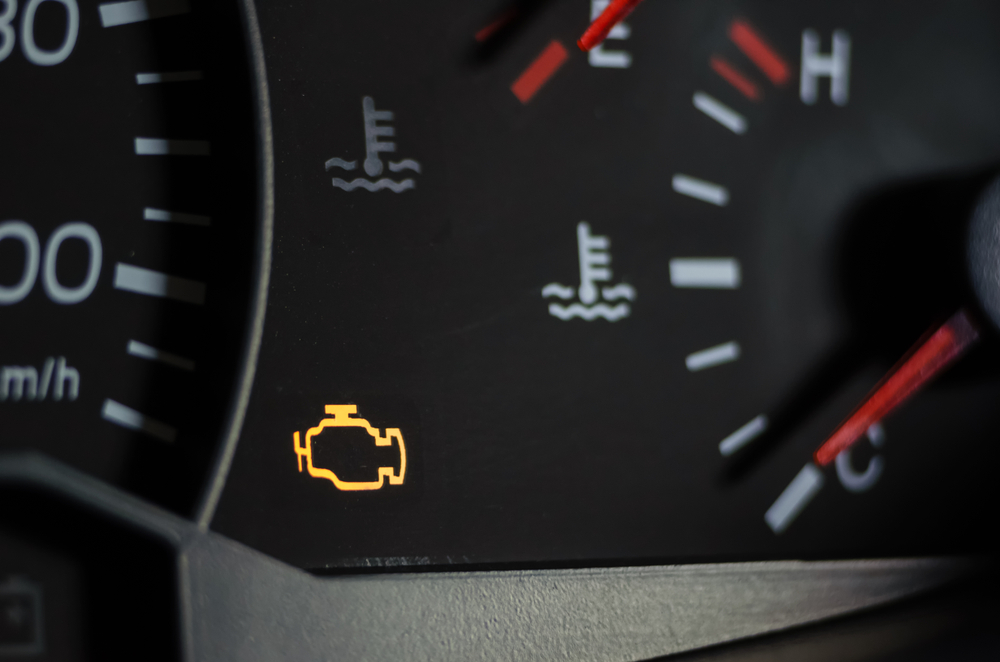
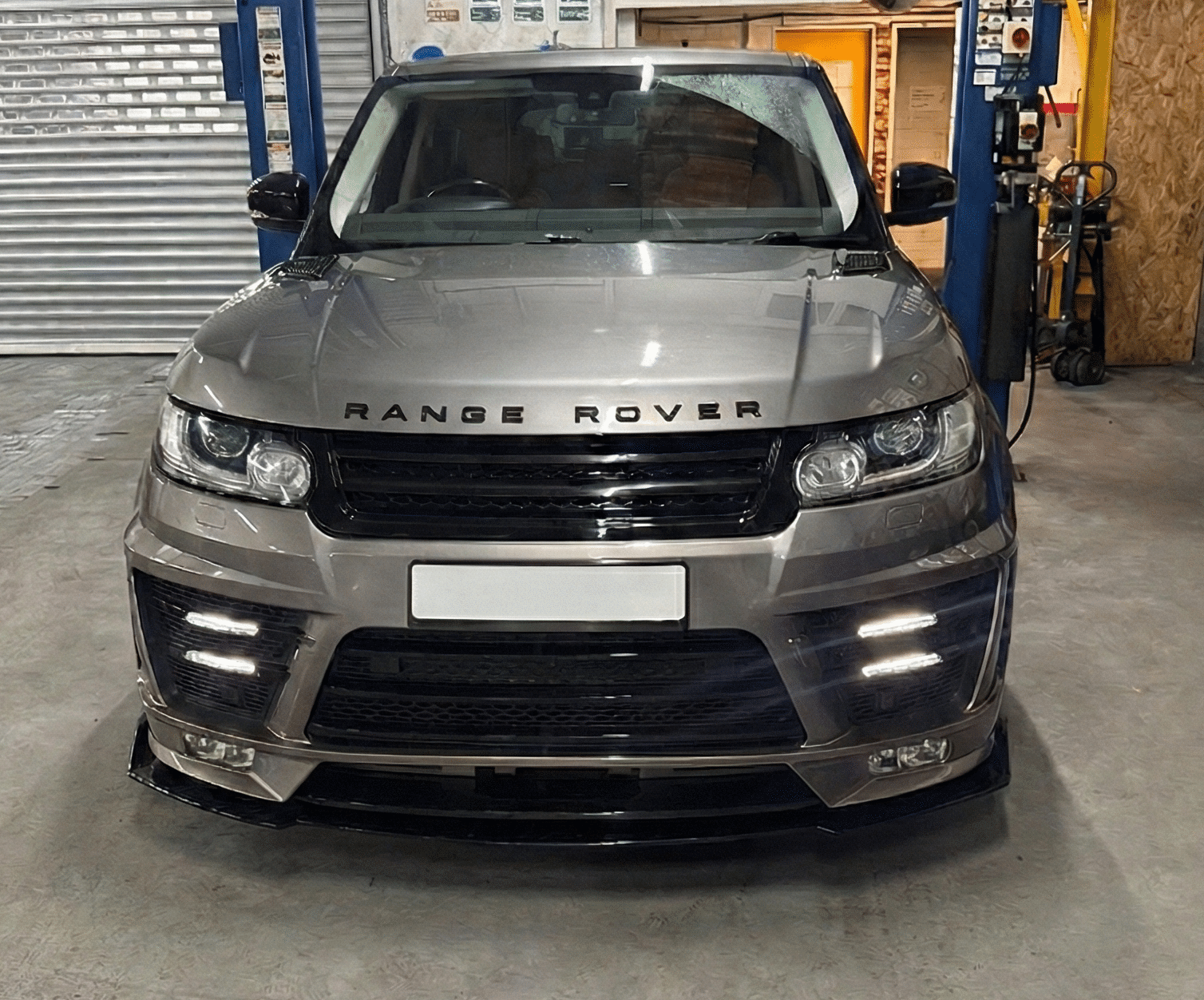
When your vehicle begins to behave inconsistently, it can be difficult to know which concern needs attention first. In this case, Mr G contacted CSN Autos after his Range Rover Sport began showing two separate symptoms that didn’t appear to be connected, a noticeably hard brake pedal and a suspension warning that would intermittently restrict the system to normal ride height.
The change in brake pedal feel was most apparent first thing in the morning, after the vehicle had been left parked overnight. Although no brake-related warning lights were displayed, the pedal response was firmer than expected and raised concerns about braking assistance. Alongside this, a suspension message would appear without warning, limiting height adjustment and making the issue difficult to predict.
With both braking response and suspension behaviour affecting confidence behind the wheel, Mr G wanted clear answers rather than uncertainty. He booked the vehicle in with the team at CSN Autos so the concerns could be assessed through a structured technical evaluation, allowing each system to be examined carefully and in the correct order.
Once the reported symptoms had been confirmed, the investigation could begin.
Initial Checks With Land Rover Fault Code C1A20-64
When Mr G’s Range Rover Sport arrived at CSN Autos, the first step was to confirm the conditions under which both concerns were occurring. After the vehicle had been left standing overnight, the brake pedal was assessed cold and the firm pedal response described by Mr G was present. The suspension system was then checked and found to be restricted to normal ride height only, matching the warning message that had been reported.
With these symptoms verified, dealer-level diagnostic equipment was connected to review what the vehicle’s control modules had recorded. The initial scan identified a stored suspension-related fault code:
Land Rover fault code C1A20-64 – air suspension reservoir pressure increases too slowly
This indicated that the suspension system was unable to build reservoir pressure within the expected timeframe, which explained why height adjustment was being limited by the control system.
While this confirmed the system involved, it did not explain what was causing the pressure delay. At the same time, no fault codes were present relating to the braking system, despite the change in pedal feel having been confirmed during checks.
At this stage, the symptoms and affected systems were clearly established, but further investigation was required to determine the underlying causes. A deeper, structured inspection was therefore the next step.
Identifying The Cause Of Suspension Pressure Delay
With the initial checks confirming both the suspension warning and brake pedal concern, the next stage was a structured investigation to establish what was preventing the systems from operating correctly. Although Land Rover fault code C1A20-64 confirmed a delay in suspension pressure build-up, further testing was required to determine why the system was not responding as expected.
Step 1: Checking The Suspension System For Air Loss
The first area assessed was whether air was escaping from the suspension system before sufficient pressure could be stored. A Land Rover suspension fault can sometimes be caused by leaks within the air suspension components or associated pipework, so these areas were inspected and tested methodically.
No signs of external air loss were found during testing, confirming that the system was retaining pressure as it should and allowing further investigation to continue.
Step 2: Assessing Compressor Performance
With air loss ruled out, attention turned to the air supply itself. Testing focused on whether the compressor was able to build reservoir pressure at the rate required for normal suspension operation.
The results showed that pressure was not increasing within the expected timeframe. When this happens, the control system restricts height adjustment, which explained the suspension warning being displayed and pointed towards a Range Rover air compressor fault.
Step 3: Investigating The Hard Brake Pedal
Alongside the suspension investigation, the Land Rover hard brake pedal was assessed as a separate issue. A symptom of this type directed attention towards the brake vacuum assistance system rather than the hydraulic braking components.
The condition was recreated, and vacuum readings were checked against expected values. The components responsible for generating and retaining brake assistance were then assessed in sequence, allowing the point at which vacuum was being lost to be identified.
The Conclusion: Two Faults Confirmed Through Structured Testing
By the end of the diagnostic process, clear and evidence-backed conclusions had been reached.
- Land Rover fault code C1A20-64 was linked to a suspension pressure delay caused by a compressor that could no longer build pressure at the required rate.
- The hard brake pedal was traced to a brake assistance fault that allowed vacuum to deplete while the vehicle was parked.
With both issues confirmed through structured testing, the repair stage could move forward with a clear understanding of what needed to be addressed.
Carrying Out The Required Brake And Suspension Repairs
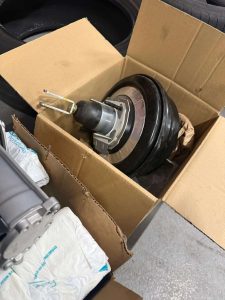
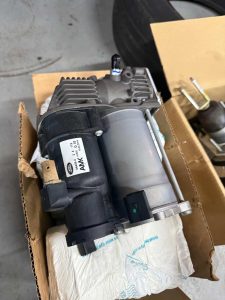
With both faults clearly identified through structured testing, the next stage was to complete the repairs needed to address each issue at source. All work was carried out in line with manufacturer procedures to ensure the braking and suspension systems were restored correctly, without introducing further issues.
Brake Assistance Servo Replacement
Work began with the braking system. Access to the brake assistance servo was gained using manufacturer-approved methods, allowing the component to be removed without disturbing the hydraulic braking system. The failed servo was then replaced with an OEM-quality unit to restore correct vacuum assistance.
Once installed, all vacuum connections were refitted and checked to confirm the system was sealed correctly. The brake pedal was then reassessed to ensure assistance had returned and that pedal response was consistent under normal conditions, resolving the Land Rover hard brake pedal concern.
Air Suspension Compressor Replacement
With the braking repair completed, attention turned to the suspension system. The Range Rover air compressor fault, located within the rear-mounted air supply assembly, was removed and replaced with a new OEM-quality unit.
Airline connections were refitted carefully to ensure the system could build and retain pressure correctly. Dealer-level software was then used to reset and initialise the suspension system, allowing normal control to be restored and addressing the underlying Land Rover air suspension issues linked to the pressure delay.
Post-Repair System Verification
With both repairs completed, final checks were carried out to confirm correct operation before the vehicle was returned.
- The suspension system was tested to ensure reservoir pressure could be built within the expected timeframe and that full height adjustment was available again.
- The braking system was reassessed to confirm consistent pedal assistance following the servo replacement.
- The stored Land Rover fault code C1A20-64 was cleared so the system could be evaluated under normal operating conditions.
With no warning messages returning and both systems responding as intended, the Range Rover Sport was ready to move on to final road testing.
The Result After Brake And Suspension Issues Were Resolved
With the repair work completed and the underlying faults addressed, Mr G’s Range Rover Sport was returned in a far more predictable and confidence-inspiring state. The hard brake pedal concern was no longer present, with braking response returning to a consistent and reassuring feel during everyday driving.
The suspension warning that had been appearing intermittently was also resolved. Height adjustment was available again without restriction, removing the uncertainty that had been affecting how the vehicle could be used and confirming that the Land Rover suspension fault linked to Land Rover fault code C1A20-64 had been dealt with at its source.
By having the vehicle assessed and repaired through a structured technical evaluation at CSN Autos, the correct faults were identified before any components were replaced. This ensured that both the braking and suspension concerns were resolved accurately, without unnecessary work or repeat visits, allowing Mr G to collect his vehicle with confidence in how it would perform going forward.
Land Rover Brake Or Suspension Problems? Speak To CSN Autos
If your Land Rover is showing warning messages or no longer feels right to drive, it’s important to have it checked before the issue develops further. Problems such as a Range Rover Sport suspension problem or changes in brake pedal feel benefit from a structured technical evaluation to identify the cause accurately.
At CSN Autos, you benefit from:
- Technicians experienced in diagnosing complex Land Rover braking and suspension systems
- A structured, evidence-led technical evaluation process
- Repairs completed using OEM-quality components
- A 12-month parts and labour guarantee for added reassurance
CSN Autos holds a {{average-rating}} star Google rating from {{review-count}} reviews, reflecting the standard of care provided to every vehicle.
If you’re concerned about how your Land Rover is driving, call 01953 425983 and speak to the team at CSN Autos.