Mercedes Water Pump Failure
The warning came out of nowhere. A glance at the dashboard, and the temperature reading is higher than it usually is. Within moments, another warning appears, and suddenly you’re reaching for a safe place to pull in.
This scenario is far too common among owners of Mercedes diesel vehicles experiencing Mercedes water pump failure. What feels like an instant crisis often has roots that go back weeks or months without being noticed.
The uncertainty that follows is perhaps the worst part. What harm has already been done to the engine itself? How far can you safely drive, if at all? Can this really be as serious as it seems?
This guide focuses on Mercedes diesel vehicles, particularly those equipped with the 2.0-litre diesel engine (OM654) manufactured from 2016 onwards, where this fault has become increasingly prevalent.
Whether your Mercedes has begun displaying warning signs or a garage has already mentioned pump replacement, understanding what’s at stake and your next steps is essential.
What happens when a Mercedes water pump fails? The pump circulates coolant through the engine and radiator. Once it fails, circulation weakens or stops entirely. Without coolant movement, the engine cannot release heat, causing temperatures to rise rapidly and trigger dashboard warnings. Unchecked, this can cause severe engine damage.
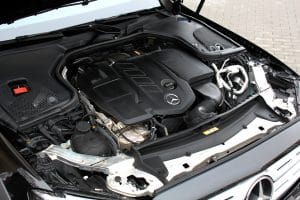
The Role of the Water Pump in Your Mercedes Diesel
Your Mercedes engine operates at high temperatures every time you turn the key. A sophisticated cooling infrastructure must constantly work to maintain those temperatures within a safe operating window.
The water pump sits at the heart of this system. Its sole function is to move coolant continuously through engine passages and the radiator, where excess heat dissipates. Without this constant circulation, thermal buildup would occur within minutes of starting the engine. Here’s the thing: even slight degradation in water pump performance can cascade into serious overheating issues.
In Mercedes diesel cars built from 2016 onwards, particularly those running the OM654 engine, the pump is driven by the auxiliary belt system.
When the pump wears or its seals degrade, coolant circulation diminishes or ceases completely, and your Mercedes loses its ability to manage engine heat. Temperatures climb rapidly.
Common Causes of Mercedes Water Pump Failure
This failure mode has become well-recognised across the Mercedes diesel community, particularly among owners of 2.0-litre models. The development tends to creep along gradually, yet many drivers only become aware once symptoms become unmistakable.
Several underlying factors contribute to the onset of this fault:
Bearing wear and seal deterioration. The pump’s seals and bearings degrade under continuous engine strain, allowing coolant to escape or reducing circulation capacity. Look for wetness beneath the vehicle or residue around the pump.
Impeller deterioration. The impeller inside the pump can corrode or wear from cavitation damage, reducing its ability to circulate coolant even as it continues rotating.
Degraded coolant quality. When coolant reaches the end of its service life without being renewed, internal components of the pump suffer accelerated deterioration. Seals can harden and crack, bearing surfaces corrode, and impeller surfaces become pitted. Adhering to factory-recommended coolant replacement schedules is one of the most effective methods to extend pump lifespan.
The challenge is that these causes don’t necessarily appear in isolation. A pump with bearing wear combined with aged coolant may also begin leaking, compounding the overall cooling deficit. And that’s the real concern: multiple failures happening simultaneously make the cooling system struggle even more.
This is precisely why a technical evaluation by a Mercedes specialist becomes crucial. Replacing only the pump without addressing underlying factors such as coolant condition leaves the root issue unresolved.
How to Spot a Failing Mercedes Water Pump
Some drivers notice a gradual warming trend over days; others experience a sudden temperature spike with no warning.
So where does that leave you? Watch for these common signs of a failing Mercedes water pump:
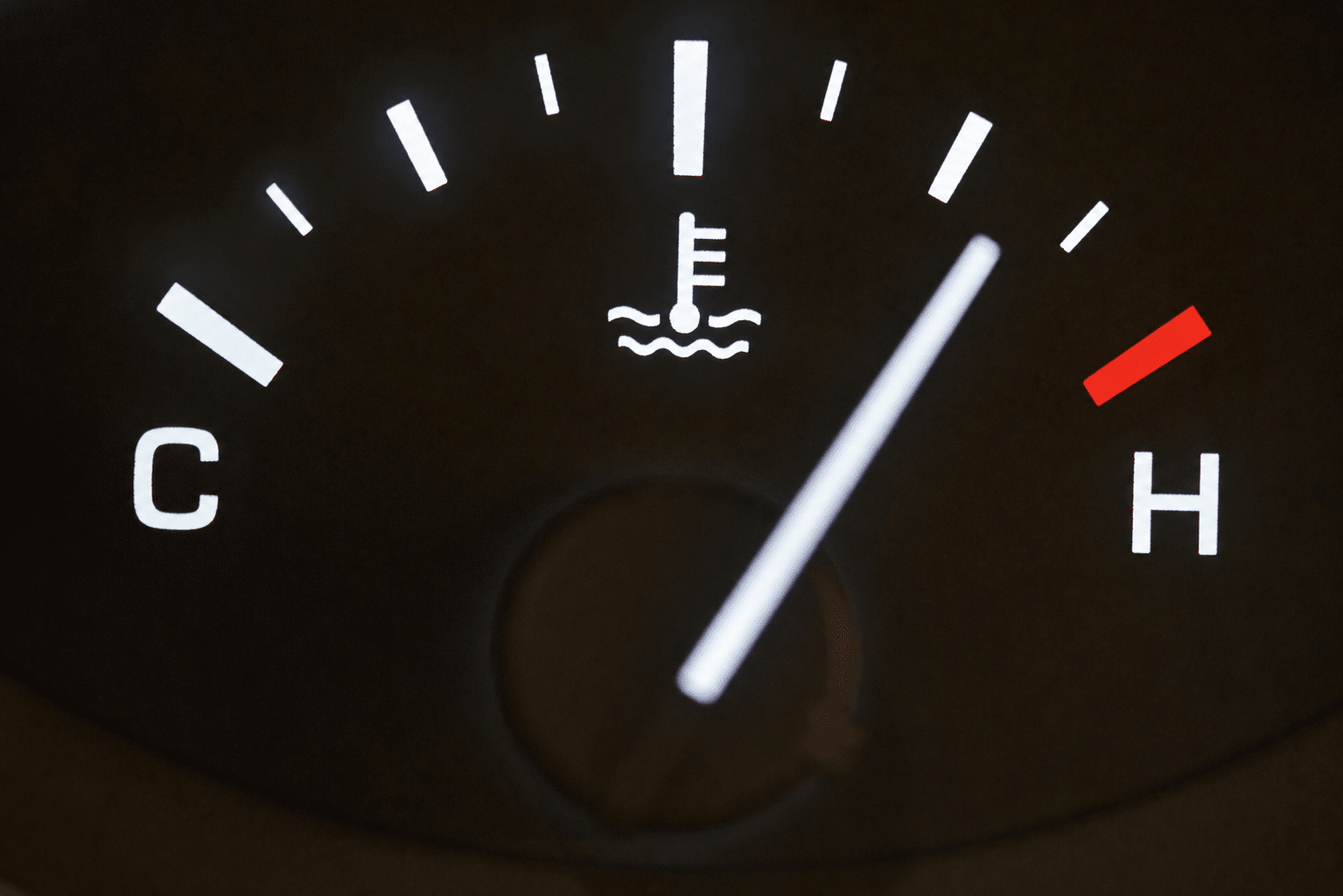
- Temperature gauge creeping upward: This is frequently the primary indicator. Observe the needle position; if it’s climbing away from its customary position, whether progressively or abruptly, this warrants immediate attention. Pull over safely at the earliest opportunity.
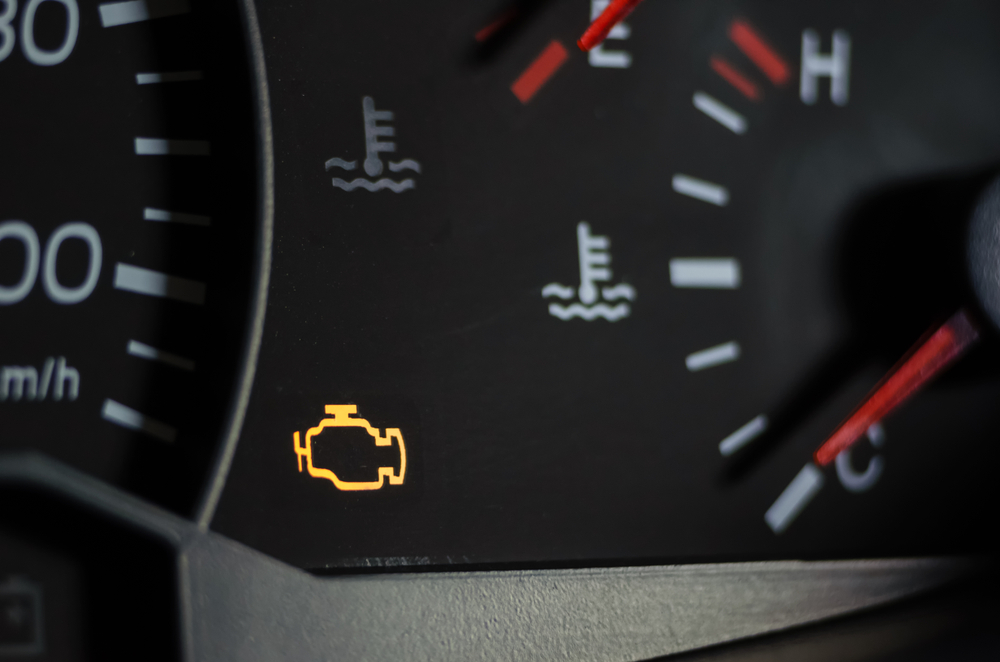
- Dashboard warnings about coolant: Your Mercedes may display a message or illuminated icon concerning coolant levels or temperature. Certain models additionally produce an audible warning tone.
- Coolant pooling under the vehicle: If you spot liquid beneath your parked Mercedes, inspect the colour. Coolant typically appears as coloured fluid beneath the pump region. Even modest seepage diminishes coolant reserves and contributes to overheating risks.
- Power loss or limp mode engagement: When engine temperatures escalate beyond safety margins, the engine control unit may limit power output to shield the engine from damage. This manifests as sluggish acceleration or reduced responsiveness.
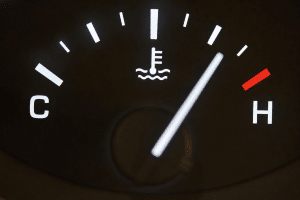
It bears mentioning that these symptoms can stem from other cooling system problems, so their presence alone doesn’t confirm a pump issue. However, if you’re thinking “why is my Mercedes overheating?” and you’ve observed any of these signs, getting your Mercedes checked by a specialist should be a priority. These symptoms may point to a water pump fault, but other cooling system issues can produce similar signs.
Reach out to CSN Autos, Wymondham, and our team will help establish what’s occurring with your vehicle.
What Happens If a Mercedes Water Pump Fault Goes Unchecked?
This is the part that matters most… because understanding what’s at stake may shape your decision to act when overheating begins.
Once the water pump stops functioning effectively, coolant ceases to circulate. Heat becomes trapped within the engine block and cylinder head, with nowhere to escape. Each minute the engine runs in this state compounds the thermal damage.
Excessive heat can cause head gasket breakdown, allowing coolant and combustion gases to mix. In severe cases, sustained overheating can warp or crack the cylinder head, which is among the costliest repairs any diesel engine can require.
Here’s what it comes down to.
A water pump replacement carried out before secondary damage occurs is a manageable repair for an experienced Mercedes specialist. Leave it too long, and you risk far more serious damage and a significantly higher repair bill.
Mercedes Diesel Models Where Water Pump Failure Is Most Common
This fault pattern is primarily tied to a particular generation of engine rather than affecting any single model line exclusively.
The 2.0-litre diesel variant installed in numerous Mercedes platforms from 2016 onwards, particularly the OM654 unit, operates a belt-driven pump assembly. This engine family is where the fault has proven most widespread.
Models experiencing the highest incidence include:
- Mercedes C-Class diesel variants (C200d, C220d, C300d) model year 2016 and later
- Mercedes E-Class diesel variants (E200d, E220d, E300d) model year 2016 and later
A Mercedes C-Class water pump replacement shares the identical methodology as work on an E-Class, and both variants show similar susceptibility to this fault. If your diesel Mercedes displays Mercedes overheating symptoms but your specific model wasn’t mentioned, don’t automatically exclude it. The identical engine base underpins the GLC, A-Class, GLA, and GLB ranges, all of which can experience this failure pattern.
Should you be uncertain whether your particular vehicle is vulnerable, CSN Autos, Wymondham can evaluate this for you during a comprehensive technical assessment.
How CSN Autos Handles Mercedes Water Pump Problems
Multiple faults can produce similar overheating symptoms. Misdiagnosis wastes time and money. But here’s what matters: proper diagnosis saves you money in the long run.
Bring your Mercedes to CSN Autos, Wymondham. We’ll ask when the overheating started, whether it’s recurring, and if warnings appeared. These details help us target the most probable culprits immediately.
Our technicians carry out a detailed evaluation, which includes:
- Extracting fault codes via scanner.
- Pressure-testing the cooling circuit.
- Inspecting for leaks.
- Verifying adequate coolant circulation.
- Checking related components including thermostats, hoses, and radiator.
Upon confirming the root cause of the overheating, we walk you through the findings in detail. No intervention proceeds without your authorisation, maintaining your control throughout the process.
Repair work centres on water pump replacement plus any supporting components requiring attention, accompanied by a comprehensive cooling system flush, air purge, and system pressure validation. The engine undergoes testing to verify temperature stability during operation.
The fundamental takeaway? Identifying and addressing a water pump problem before secondary damage emerges shields your engine from substantially more serious and expensive repairs later.
Why Choose CSN Autos for Your Mercedes Water Pump Replacement?
A water pump failure can seem daunting when you first discover it, and undoubtedly becomes far more serious if ignored. Working with an experienced Mercedes specialist, though, transforms this into a manageable repair once the underlying fault has been identified.
If your Mercedes is running hot and you’ve been asking yourself “why is my Mercedes overheating,” CSN Autos, Wymondham has the expertise to help. Our technicians possess extensive Mercedes experience alongside dealer-level diagnostic capability to locate the problem accurately. We invest time in thorough technical evaluation, articulate our conclusions clearly, and only move forward once you’re satisfied with the plan.
Here’s what drivers across Norfolk trust CSN Autos to deliver when a water pump needs attention:
- Experienced Mercedes technicians with manufacturer-level diagnostic software and specialised tooling
- 12 months guarantee covering components and labour across all completed repairs
- Recognised as South Norfolk Small Business of the Year 2024 and Top Garage Finalist in 2023 and 2024
- Courtesy vehicle provided whilst we complete your repair
- Clear communication from beginning to end, with no work starting without your explicit approval
Join {{review-count}} local drivers who’ve rated us {{average-rating}} stars on Google for dependable repairs and outstanding value.
If your Mercedes is overheating, or if something simply feels off with the cooling system, contact CSN Autos on 01953 425983. The sooner you address the issue, the sooner we can prevent secondary engine damage.
Your Questions About Mercedes Water Pump Failure
How much does it cost to replace a Mercedes water pump?
Pricing depends on your specific model and whether additional cooling components need replacement alongside the pump. For example, a Mercedes C-class water pump replacement may carry different labour and parts costs compared to an E-Class vehicle. We always provide a transparent quotation before commencing work. The cost of timely replacement proves substantially lower than managing the damage caused by continued overheating.
What are the symptoms of Mercedes water pump failure?
Look for an ascending temperature gauge reading, dashboard alerts regarding coolant, fluid accumulation beneath your vehicle, or engine power reduction. Whilst other cooling system issues can produce similar symptoms, a specialist technical evaluation will pinpoint whether the pump is responsible.
Is it safe to drive with a failing Mercedes water pump?
No, you shouldn’t continue driving if your Mercedes is overheating. You risk compounding the damage to internal engine components, potentially transforming a manageable repair into an engine replacement scenario. Pull over as soon as it’s safe to do so and contact CSN Autos, Wymondham on 01953 425983 to arrange an evaluation.
How long will a Mercedes water pump replacement take?
The duration hinges on your particular model and whether additional components are discovered to require attention. Once our technicians finish the technical evaluation, we’ll outline the expected timeframe. At CSN Autos, we ensure transparency about the work schedule from the outset.